
The literal gateway to Indian Territory, Fort Smith marks the end of the line for many tribes on the Trail of Tears and serves as a sacred crossroads connecting the past to the present. Long before the first fort, these lands were the primary hunting grounds of the Osage Indians. Today, the city and its surrounding areas tell stories of resilience, culture and perseverance.
While our region's history includes moments of displacement and hardship, it also offers opportunities for remembrance, learning and deeper understanding. By visiting these sites, you are not just exploring landmarks—you are entering stories of sacred ground, honoring those who walked before us, and engaging with history in a way that encourages respect and reflection.
We invite you to fill in the gaps of what you may not know, look beyond the narratives you were taught, and discover the story of Native peoples in Arkansas and Indian Territory.
Native American Cultures and Fort Smith History
Long before Fort Smith became a military post or a bustling border town, this land was essential to the Osage Nation. Their hunting grounds stretched across what is now downtown Fort Smith, Garrison Avenue and Chaffee Crossing. The Osage people influenced life here through farming, trading, and protecting the land that supported them.
As more tribes moved from their homelands in the early 1800s, this area became a meeting place of diverse cultures, shaping a landscape rich in tradition and change. Visitors exploring Native American heritage in Fort Smith today can still see these early connections through stories kept in local museums, murals and historic sites.
By the 1830s, Fort Smith had become a crucial point on the Trail of Tears, where multiple tribes, including the Cherokee, Choctaw, Chickasaw, Creek and Seminole, passed through during their forced march into Indian Territory.
The riverside overlook at Belle Point marks the final departure point for many who endured this arduous journey. While the story of the Trail of Tears is one of suffering, the sites around Fort Smith offer opportunities for reflection, education, and honoring the resilience of Native peoples. For travelers interested in Trail of Tears history in Arkansas or those looking to gain a deeper understanding of their Native heritage, Fort Smith provides an authentic starting point for that journey.
9 Native American Sites Around Fort Smith
1️⃣ Fort Smith National Historic Site
📍 301 Parker Ave.
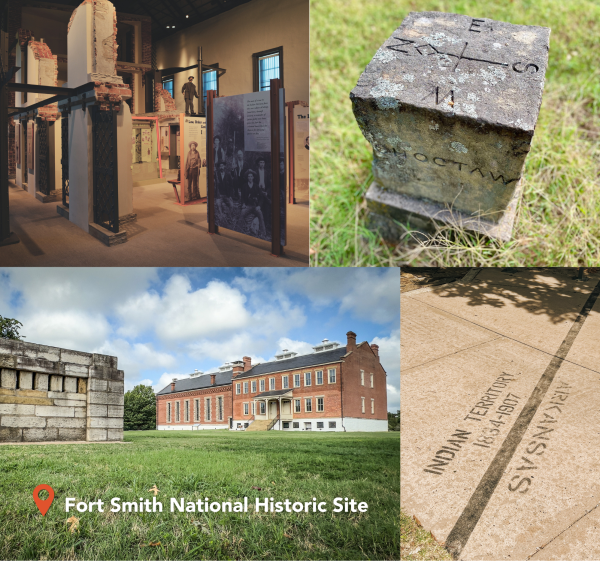
The fort itself plays a crucial role in Native American history, from serving as a military outpost to its connection with the U.S. District Court that oversaw Indian Territory. Exhibits highlight the Trail of Tears, treaties, and the fort's significance in this complex history.
2️⃣ Trail of Tears Overlook at Belle Point
📍 Convergence of the Poteau and Arkansas Rivers
This riverside site serves as the final starting point for many tribes entering Indian Territory. It is a peaceful and powerful place to reflect on the journeys made through hardship and perseverance.
3️⃣ Trail of Tears National Historic Trail
📍 Across Arkansas (including through Fort Smith)
Follow this historic route across Arkansas to learn about the remarkable journey of the Cherokee, Choctaw, Chickasaw, Creek and Seminole peoples. Interpretive signs highlight key stops in the region.
4️⃣ Fort Smith Museum of History
📍 320 Rogers Ave.
This local museum features exhibits that highlight Native American history alongside Fort Smith's growth, offering context about trade, settlement and cultural connections.
5️⃣ U.S. Marshals Museum
📍 789 Riverfront Dr
While focused on law enforcement history, the museum also shares the stories of deputy marshals who worked in Indian Territory and the Native men deputized to help them bring outlaws to justice.
6️⃣ The Lighthorseman Statue
📍 Along the Arkansas River, behind the U.S. Marshals Museum
Commissioned by the Five Civilized Tribes, this powerful bronze statue honors Native men who served as Lighthorsemen, tribal law enforcement officers vital in Indian Territory. Working alongside U.S. deputy marshals, they tracked fugitives who often hid in caves, forests or among tribal settlements. The monument serves as a reminder of the bravery and partnership between Native nations and federal law enforcement in maintaining order on a rugged frontier.
7️⃣ VHILS Cherokee Mural
📍 913 Garrison Ave.
Created during The Unexpected festival, this striking mural is a contemporary tribute to Cherokee history and culture in Fort Smith.
8️⃣ ASKEW Cherokee Mural
📍 424 Garrison Ave.
Another modern public artwork, this mural showcases the integration of Native culture into the city's identity today.
9️⃣ Historic Downtown Plaques & Tours
📍 Downtown Fort Smith
Interpretive plaques throughout downtown tell stories of early settlers and Native connections, including John Rogers, founder of Fort Smith, who lived among trappers and Native communities for most of his life.
7 Native American Sites Beyond Fort Smith
1️⃣ Historic Cane Hill
📍 14327 Hwy 45 S, Canehill, AR
This historic Ozark town was once a crossroads for Cherokee settlement and passage. Today, it's a place to explore heritage, history and preservation. Much of what we know about the hardships faced by the Cherokee Nation along the Trail of Tears in Arkansas comes from stories written during their resting at Cane Hill.
2️⃣ Sequoyah's Cabin Museum
📍 470288 Hwy 101, Sallisaw, OK
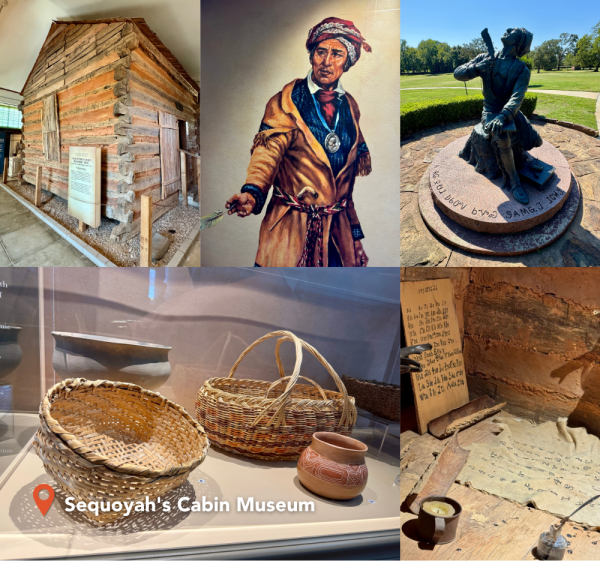
The log cabin home of Sequoyah, creator of the Cherokee syllabary, is preserved here as a testament to the power of language and culture.
3️⃣ Creek Nation Council House Museum
📍 107 W 6th St, Okmulgee, OK
This National Historic Landmark served as the capitol of the Muscogee (Creek) Nation and remains a vital symbol of sovereignty and heritage.
4️⃣ Five Civilized Tribes Museum
📍 1101 Honor Heights Dr, Muskogee, OK
Housed in a historic 1875 Indian Agency building, this museum honors the art, culture and history of the Cherokee, Chickasaw, Choctaw, Creek and Seminole tribes.
5️⃣ Three Rivers Museum
📍 220 Elgin St, Muskogee, OK
Focused on the history of the Three Rivers area, this museum includes exhibits about Native heritage, migration, and local life in Indian Territory.
6️⃣ Spiro Mounds Archaeological Center
📍 18154 1st St, Spiro, OK
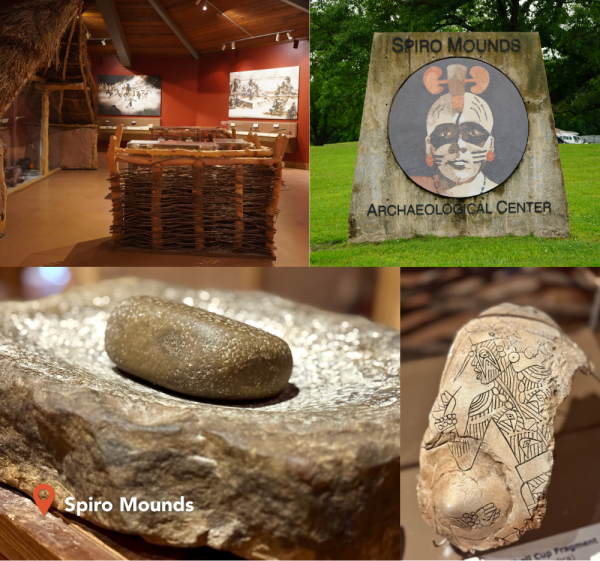
One of the most important Native American archaeological sites in the country, Spiro Mounds was a major ceremonial and trade center of the Mississippian culture.
7️⃣ Cherokee Heritage Center
📍 21192 S Keeler Dr, Park Hill, OK
Explore a living history village, museum exhibits, and cultural programming that bring Cherokee history and traditions to life.
Fort Smith is more than a place to learn about history; it is a space to experience the layers of culture, resilience, and legacy that Native Americans carry forward today. From the Trail of Tears overlook to murals that celebrate Cherokee heritage, and from the halls of local museums to statues along the river, every site tells a story of strength and collaboration. These landmarks not only honor the perseverance of Native people but also highlight their essential role in shaping justice, community, and culture on the western frontier.
We invite you to make Fort Smith your gateway to exploring Native American history in Arkansas and beyond. The stories you'll encounter here are sacred, powerful and enduring.